Posts

"Materials Science for Engineers"

Image
                         "Introduction to Materials Science and Engineering" Materials science is a dynamic and interdisciplinary field that explores the properties, structure, processing, and applications of materials. It aims to understand and manipulate various types of materials, ranging from metals and polymers to ceramics, composites, and nanomaterials, in order to develop new materials with enhanced properties and to improve the performance of existing materials. The field plays a pivotal role in various industries, including aerospace, automotive, electronics, energy, healthcare, and more. Key aspects of materials science include: Characterization: Analyzing the physical, chemical, and mechanical properties of materials to understand their behavior and performance. Processing: Developing and optimizing techniques to manufacture, shape, and modify materials for specific applications. Structure: Investigating the ato...

Carbon Dioxide

Image
                               "Carbon Dioxide: The Climate Challenge" Carbon dioxide, often abbreviated as CO2, is a colorless, odorless gas composed of two oxygen atoms bonded to a single carbon atom. It is a naturally occurring compound found in the Earth's atmosphere, where it plays a crucial role in regulating the planet's temperature and supporting life. Here is a more detailed description of carbon dioxide: Chemical Composition: Carbon dioxide is a simple chemical compound with the molecular formula CO2. It consists of one carbon (C) atom covalently bonded to two oxygen (O) atoms. Natural Occurrence: CO2 is naturally present in the Earth's atmosphere, typically making up about 0.04% of the air we breathe. It is also a component of the carbon cycle and is released into the atmosphere through natural processes such as respiration, volcanic eruptions, and decomposition of organic matter. Greenhouse Gas: ...

Moraines

Image
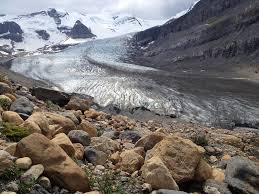
                                   "Moraines: Landmarks of Ice Ages" Moraines are geological landforms created by the deposition of glacial debris carried and pushed forward by moving glaciers. These formations are often composed of a mixture of rocks, boulders, sand, clay, and other sedimentary materials that were picked up and transported by the glacier as it moved over the landscape. Here's a more detailed description of moraines: Formation: Moraines form as glaciers advance, retreat, or stagnate. Glaciers, which are massive sheets of ice, act like bulldozers, scraping and picking up rocks and sediment from the underlying terrain. As the glacier moves, it carries this material with it. When the glacier begins to melt or recede, it deposits this debris in various ways, creating moraines. Types: There are several types of moraines, including: Terminal Moraine: Deposited at the farthest point reach...

Hibernation

Image
                                      "Embracing the Art of Hibernation" Hibernation is a fascinating natural phenomenon that occurs in various animals and some plants as a survival strategy during harsh environmental conditions, primarily in cold winter months. This period of dormancy allows these organisms to conserve energy, reduce metabolic activity, and withstand unfavorable conditions until more hospitable seasons return. Here's a detailed description of hibernation: Purpose of Hibernation: Hibernation serves as a survival mechanism to cope with extreme environmental challenges, such as limited food availability, frigid temperatures, and reduced daylight. By entering a state of hibernation, animals can avoid the need for constant foraging and maintain their energy reserves. Physiological Changes: During hibernation, animals experience significant physiological changes. Their heart rate d...

Longshore Drift

Image
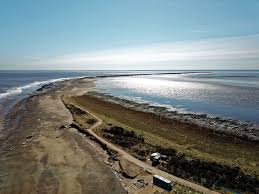
                              "The Role of Longshore Drift in Coastal Erosion" Longshore drift, also known as littoral drift or beach drift, is a fundamental coastal process that plays a crucial role in shaping the morphology of coastlines around the world. It involves the continuous movement of sand, sediments, and other materials along the shoreline due to the action of waves and currents. Here's a detailed description of longshore drift: 1. Wave Action: Longshore drift is primarily driven by the energy of ocean waves. As waves approach the shore, they carry a significant amount of sand and other sediments in suspension. 2. Oblique Approach: Most waves approach the shoreline at an angle, rather than directly perpendicular to it. This oblique angle is a key factor in the development of longshore drift. 3. Sediment Transport: When waves break, they release their energy and cause a net movement of water and sedime...

Rainforest

Image
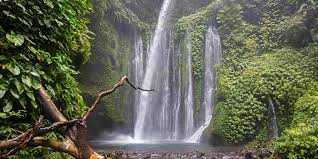
                                      "Rainforests: Earth's Biodiversity Hotspots" A rainforest is a lush and diverse type of terrestrial ecosystem characterized by high levels of annual rainfall, dense vegetation, and extraordinary biodiversity. These ecosystems are found in tropical and subtropical regions of the world and are often referred to as the "lungs of the Earth" due to their critical role in absorbing carbon dioxide and producing oxygen. Here's a detailed description of rainforests: Climate: Rainforests are typically located near the equator, where they experience consistently warm temperatures throughout the year. They receive abundant rainfall, often exceeding 100 inches (2,500 millimeters) annually, resulting in a humid and wet environment. Vegetation: The hallmark of rainforests is their towering canopy of trees that form a dense overhead cover, creating a continuous shade belo...

Blizzards

Image
                    "Blizzard vs. Snowstorm: Understanding the Difference" A blizzard is an extreme weather condition characterized by strong winds, low temperatures, and heavy snowfall, often leading to reduced visibility and dangerous travel conditions. Blizzards typically occur in cold regions, such as polar or mountainous areas, but they can also affect temperate regions during winter storms. Key features of a blizzard include: Snowfall: Blizzards are defined by the amount of snowfall they produce. The snowfall during a blizzard can vary, but it is typically heavy and can accumulate quickly. High Winds: Blizzards are accompanied by strong winds, often exceeding 35 miles per hour (56 kilometers per hour). These winds can create drifting snow, reducing visibility and making travel extremely hazardous. Reduced Visibility: The combination of heavy snowfall and high winds leads to reduced visibility, sometimes to the point where it's near...